COVID-19 and fraud
- WeNou

- Apr 19, 2020
- 1 min read
The world’s current context caused by COVID-19 may promote food fraud.
Know more at:
Disruption is what makes a supply chain vulnerable. When a usual supplier cannot deliver, buying moves to new intermediaries, paperwork travels faster than inspection, and a raw material may be accepted on the strength of a document rather than a check. None of that is fraud in itself, but it removes the ordinary friction that normally makes fraud difficult, which is why periods of shortage and rapid substitution tend to be the periods in which mislabeled material appears.
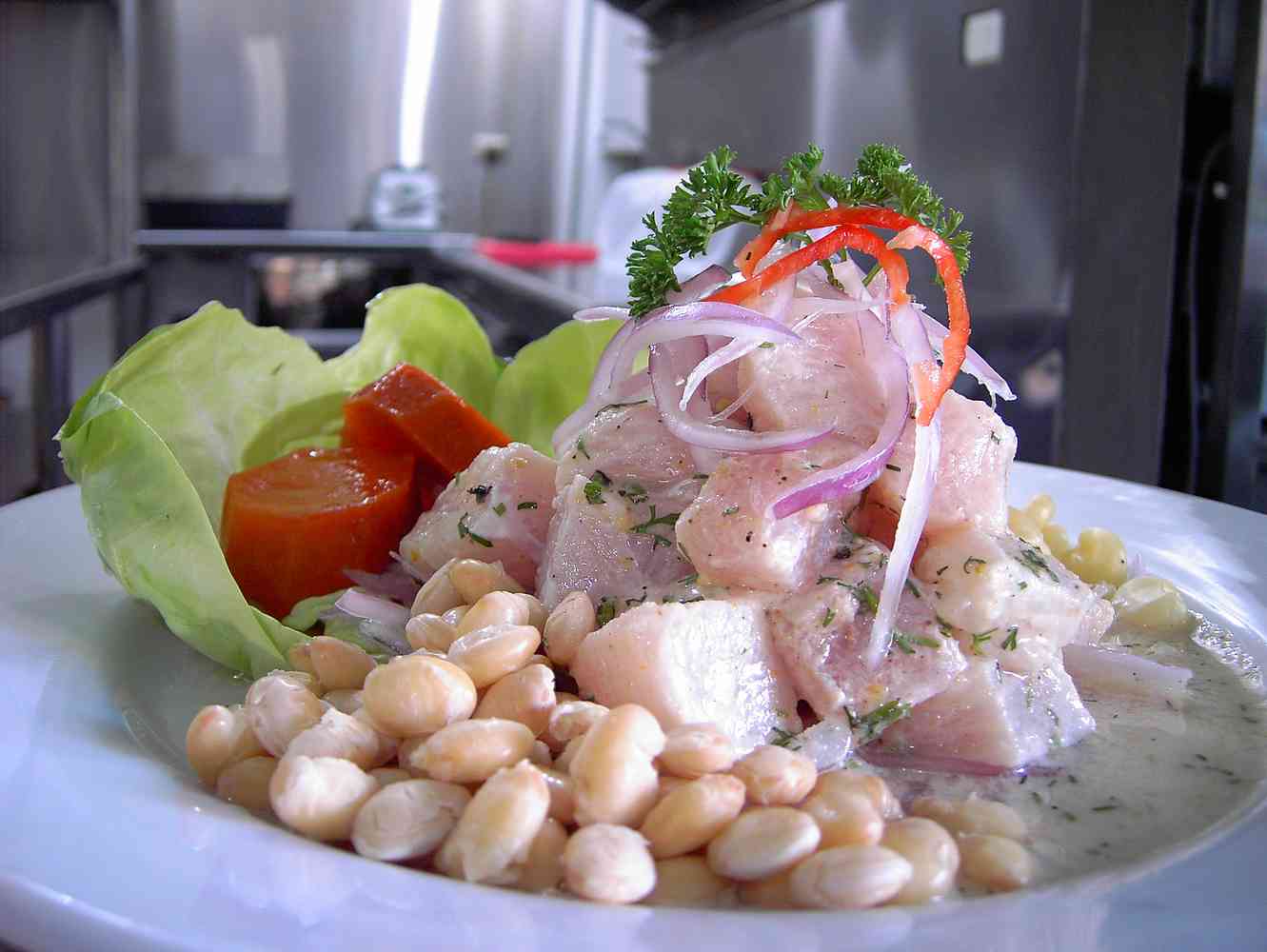
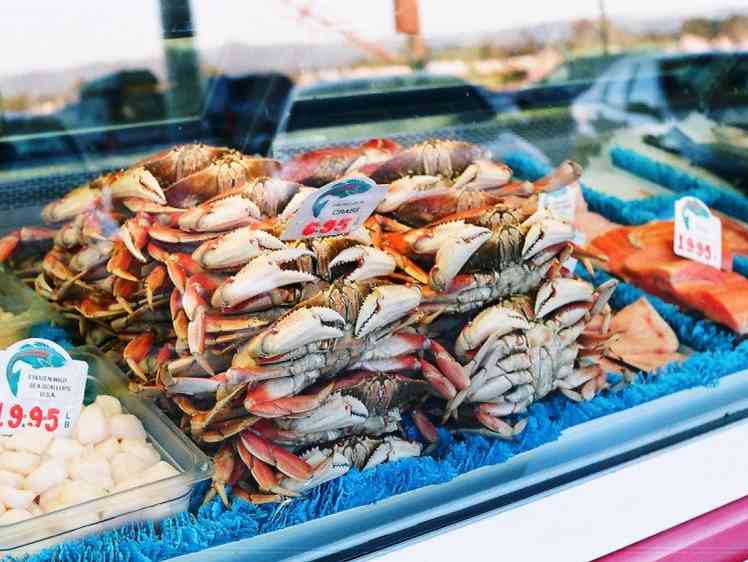
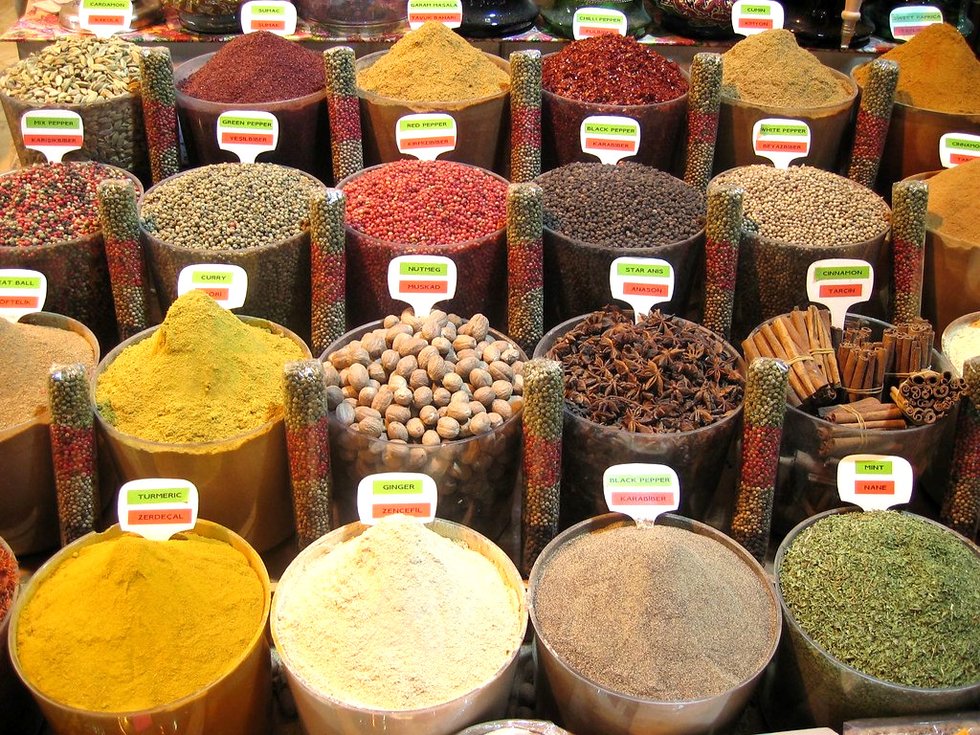
The ingredients most exposed are those where a cheaper species or a lower grade looks and tastes similar once processed: fish and shellfish sold as fillets or in prepared dishes, minced and emulsified meat, ground spices and dried herbs, oils and honey. In each case the identity of the material can no longer be confirmed by eye, so the label is doing work the product itself cannot do.
DNA-based testing helps here precisely because it does not depend on how the product looks. A targeted assay answers a closed question, whether a named species is present or absent, and is the quick option when a buyer already knows what worries them. An untargeted sequencing run answers the open question instead, listing the species actually present in the extract, which is what an unfamiliar supplier or a new route warrants.
Our role in a situation like this is narrow and practical. We analyze the sample, state what is in it and by which method, and issue a report a quality team can act on. The commercial decision that follows, to release a batch, to hold it, to change supplier, belongs to the company that owns the product and knows its chain.