Fish species substitution increasing in Peru
- WeNou

- Mar 2, 2020
- 1 min read
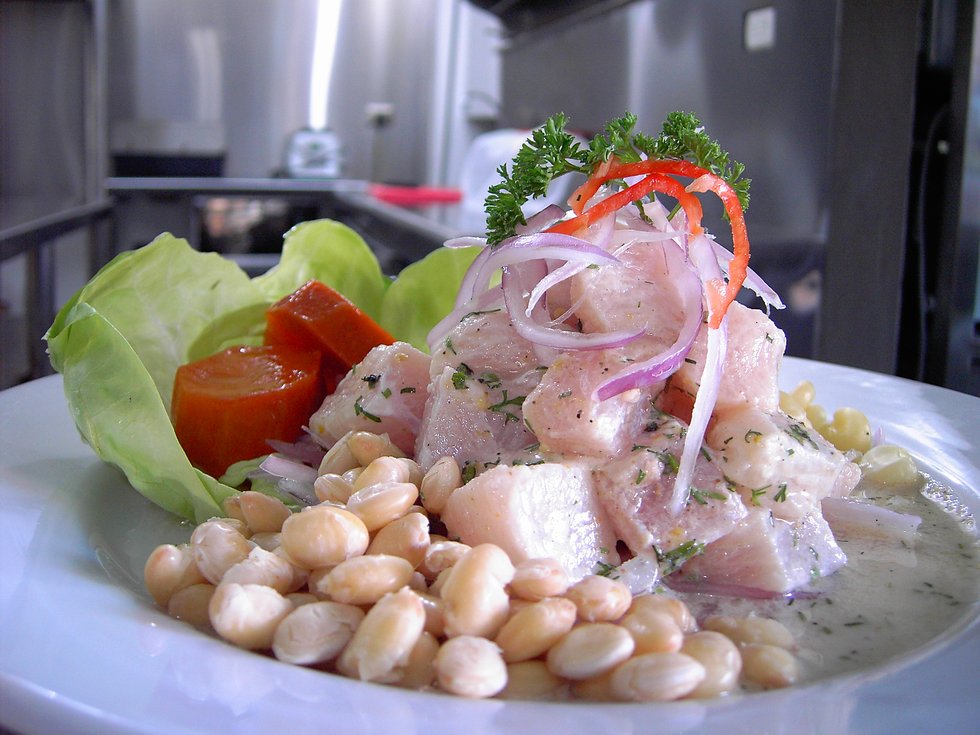
An inquirity in Peru shows that fish species substitution reaches levels ranging from 80% in the city of Pirua to 68% in Lima, clearly increasing from 2018. Comber, tollo and grouper are the most sffected species.
Know more at:
Figures like these are usually collected at the point of sale rather than at the quay, and that matters for how they should be read. Between the vessel and the plate a fish may be landed, graded, filleted, frozen, transported, thawed, portioned and cooked, and its name can change at any of those steps, sometimes deliberately, sometimes because a regional common name travels with the box while the species inside it does not. A survey of restaurants and shops measures the accumulated effect of a whole chain rather than the conduct of any single actor in it.
Groupers and small sharks recur in this kind of study because they are sold as skinless portions. With the skin, head and fins removed, the characters an inspector would use are gone, and two fillets that command very different prices can look the same.
This is the situation DNA identification was built for. Short mitochondrial markers, COI above all, with 12S and 16S useful in processed material, are species-specific and survive freezing and cooking. Where the question is closed, a targeted assay confirms or excludes a named species quickly; where it is open, sequencing reads the whole extract and reports every species present, which is what an importer buying through an unfamiliar route actually needs.
The practical value for a company is that a claim printed on a box becomes checkable. We analyze the sample and report the species we can demonstrate, with the method and its limits stated; the decisions that follow, accepting a consignment, requalifying a supplier, correcting a designation, stay with the business that knows the chain.